
Is This a Bad Time to Start Investing?
The S&P 500 has hit all-time highs 23 times in 2026. If that makes you nervous about getting in, you are not alone. Here is what the data actually says.
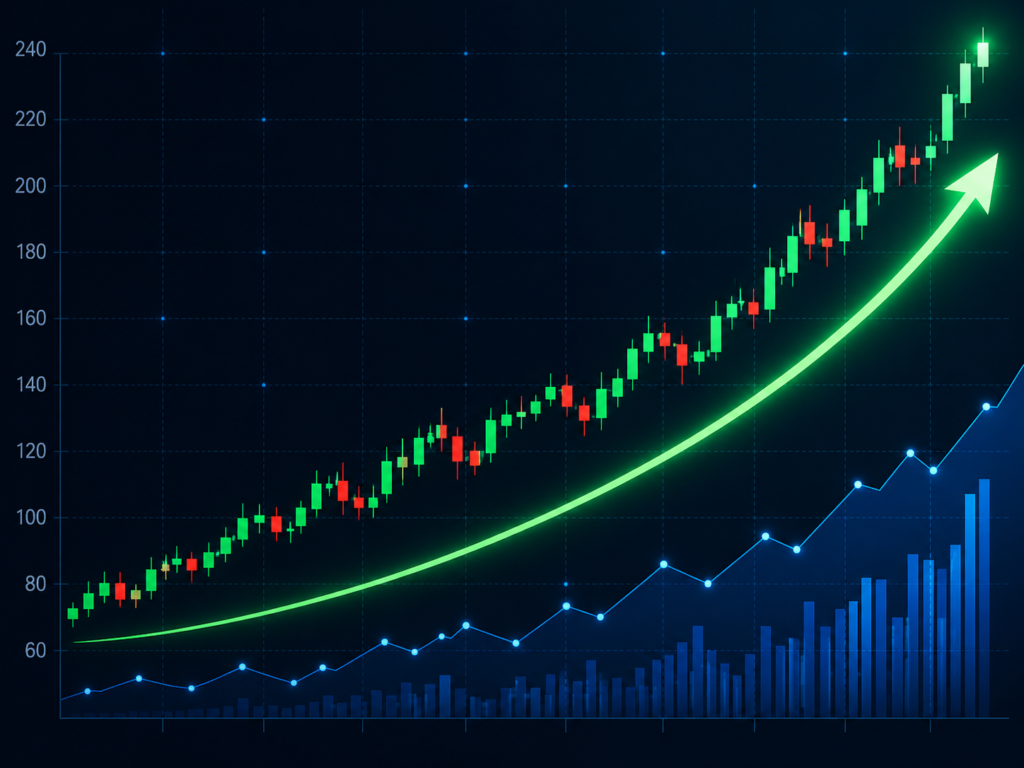
The US stock market is expensive by almost any measure. The S&P 500 reached an all-time high of 7,616 points in June 2026 and has set new records 23 times this year. The Shiller CAPE ratio, which compares stock prices to long-run earnings, sits above 40 — a level historically associated with market peaks.
If you have been thinking about investing and this makes you want to wait, that feeling is entirely understandable. It is also, based on decades of evidence, likely to cost you money.
Is This a Bad Time to Start Investing?/Peiid
The Question Behind the Question
When someone asks whether now is a bad time to invest, they are usually asking something more specific: should I wait for a crash before putting my money in?
It is a reasonable instinct. Buying something cheaper sounds better than buying it at a high price. The problem is that acting on this instinct requires getting two decisions right, not one. You have to correctly predict when the market will fall, and then correctly predict when it will recover enough to make your wait worthwhile. Professional fund managers, with teams of analysts and decades of experience, fail at this consistently. There is no evidence that individual investors do it any better.
What Happens When You Miss the Best Days
The most striking piece of data on this topic comes from a study of S&P 500 returns between 2003 and 2022. An investor who stayed fully invested throughout that period earned an annualised return of around 9.8%. An investor who missed just the ten best trading days over those twenty years saw their return fall to 5.6%. Missing the thirty best days reduced the total return to barely above inflation.
The reason this matters is that the best and worst days in markets tend to cluster together. The biggest rallies often happen during or immediately after the sharpest falls. An investor sitting on the sidelines waiting for the right moment to enter frequently misses the recovery while successfully avoiding the crash — which defeats the purpose.
But What If a Crash Is Coming?
It might be. Markets at current valuations have historically produced lower returns over the following decade than markets at more modest valuations. That is a real risk and worth acknowledging honestly.
But consider what waiting actually looks like in practice. Suppose you decide to wait for a 20% correction before investing. Markets drop 25% over the following year — your instinct was right. Then they recover 35% in the year after that, ending up higher than when you started waiting. At what point did you invest? Most people do not buy during crashes. The fear that kept them out of a rising market keeps them out of a falling one too.
This is not a hypothetical. Studies of investor behaviour consistently show that individual investors buy after markets rise and sell after markets fall — the opposite of what they intend to do. The gap between what markets return and what the average investor actually earns is largely explained by this behaviour.
The Case for Starting Now
The most reliable way to build wealth through investing is to invest consistently, regardless of market conditions, and leave the money alone for a long time. This approach, sometimes called pound-cost averaging or dollar-cost averaging, means buying at high prices sometimes and low prices sometimes, and averaging out over time.
A 25-year-old who invests €200 a month from now until retirement, earning the S&P 500’s long-run average of roughly 7% annually after inflation, ends up with significantly more than someone who waits five years for better conditions and then invests the same amount. The five years of compounding that the first investor captured cannot be recovered.
The point is not that markets cannot fall from here. They can and they will at some point — they always do. The point is that for a long-term investor, a market correction is an inconvenience, not a catastrophe, and attempting to avoid it by staying out of the market entirely is almost always worse than staying in.
What This Does Not Mean
None of this is an argument for reckless investing. A few things remain true regardless of market conditions.
You should not invest money you will need within the next two to three years. Short-term needs require accessible savings, not market exposure.
You should not invest in individual stocks if you do not understand the companies well. A low-cost index fund that tracks the broad market removes the need to pick winners.
You should not ignore valuation entirely. At current levels, expecting the same returns as the past decade is probably optimistic. Expecting reasonable long-term returns from a diversified portfolio is not.
The Honest Answer
Is this a bad time to start investing? Probably not an ideal time, in the sense that markets are expensive. But there has rarely been an obviously ideal time, and waiting for one has historically cost investors more than it has saved them.
The best time to start was earlier. The second best time is now.
Key Takeaways
- The S&P 500 has hit all-time highs 23 times in 2026, making many would-be investors nervous about getting in.
- Missing just the ten best trading days over a 20-year period cuts annualised returns nearly in half.
- The best days in markets cluster around the worst days, making it nearly impossible to time entries successfully.
- Consistent investing over a long period outperforms waiting for the right moment in almost every historical scenario.
- Do not invest money you need within three years, and favour low-cost index funds over individual stock picking.